Why Buy Frozen Frog’s Legs?
Frozen isn’t a compromise here — it’s a quality-control tool. With frozen frogs legs, you’re buying consistency: portions you can count, weights you can plan around, and a product that stays stable until you’re ready to use it. That means less guesswork, less waste, and fewer “we’ll have to cook it today” moments when plans change.
The real advantage is repeatability. Frozen stock lets you buy once and cook in stages, without sacrificing the clean, lean texture you’re expecting. It also makes ordering easier: you can match the pack size to your menu, split it into servings, and keep the rest properly stored for later.
Fresh vs frozen is mostly a timing story. “Fresh” can still spend days moving through a supply chain, and time is the variable that’s hardest for you to control. Frozen locks in a point-in-time state, then keeps it there. On frozenfish.direct, the team explicitly frames freezing as part of their quality promise, including a statement that their fish is filleted, packed, and frozen within 3 hours of being caught (their words, on-site). For frog legs specifically, they describe a controlled prep process (wash, trim, chilled handling) and cold storage not exceeding -18°C.
Freezing slows spoilage. Cold storage holds texture. Sealed packs reduce air exposure.
Portions reduce waste. Consistent weights improve results. Frozen stock improves planning.
Choose Your Cut
Pairs for quick midweek meals
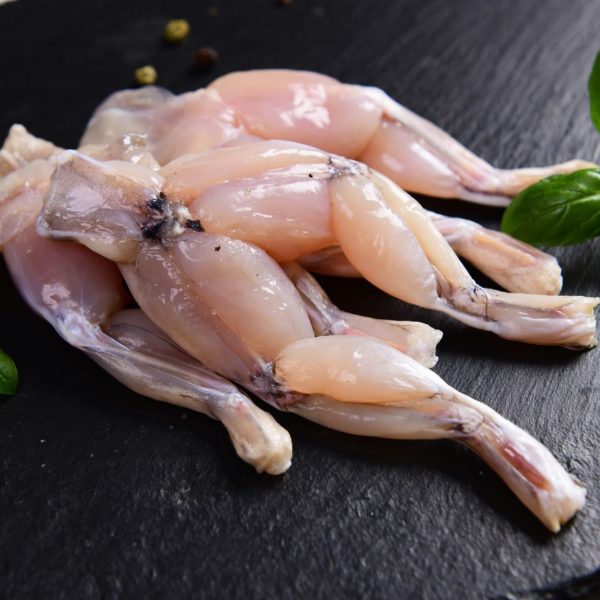
If you want versatility and speed, start with paired packs of hind legs. They’re easy to portion, easy to plan around, and they suit the “pan or oven” kind of weeknight where you just want dinner to land on time. Look for predictable sizing and a clear weight band so you can buy with confidence, especially if you’re feeding different appetites. When legs are skinned and trimmed, you’re paying for edible yield, not extra prep.
Size-graded legs for higher-heat cooking
For cooking styles that lean hotter and faster, size-graded frog legs are your friend. More even pieces mean more even results, and the legs tend to hold their shape better when you’re using a grill or a hot pan. If you like a bit more forgiveness at higher heat, choose slightly larger legs within the range you’re browsing — they’re often more tolerant of short, intense cooking without feeling dry.
Bigger packs for entertaining, smoking, and batch prep
Buying for guests changes the maths. A larger pack (like a 1kg option) makes it simple to serve a table without mixing lots of different sizes. It also suits batch prep, because you can portion by pairs, by plate count, or by appetite. If you’re doing events, you may also prefer a pack that lets you split portions your own way — not because frog legs need “carving”, but because hosting often means dividing the pack into smaller, consistent servings for timing and plating. For some cooks, frog legs are also a fun “something different” for smoking sessions where you want a delicate, lean protein in the mix.
Speciality and chef-prep options (when available)
If you spot speciality lines, treat them as ready for specific uses: pre-graded pairs for speed, larger legs for high-heat confidence, or “chef-prep” style packs for people who want to do their own trimming and portioning around the joint. The label tells you what job the pack is designed to do — your kitchen workflow is the deciding factor.
Pick the frog legs that matches your pan, your timing, and your appetite.
What Arrives at Your Door
When you order Frozen Frog Legs from frozenfish.direct, the goal is simple: keep the product properly frozen from our freezer to yours, without drama. Dispatched by DPD overnight courier. That matters because speed is one of the biggest controls in any cold chain — less time in transit means less temperature fluctuation, and fewer “is this still OK?” moments at the doorstep.
Your order is Packed with dry ice in a polystyrene insulated box, and that combination is doing real work. The insulated box slows down heat transfer from the outside world, while the dry ice maintains a deep-cold environment as it naturally sublimates (turns from solid to gas). In plain terms: it’s designed to help keep fish frozen during transit — and it applies just as much to frog legs and other frozen seafood packed in the same cold-chain format.
Delivery timing is handled in a way that avoids guesswork. Orders placed before the stated cut-off are prepared for next working day delivery on eligible days, and checkout controls valid delivery dates so you’re not asked to “pick a day that isn’t real.” If you’re planning around a dinner date or a freezer restock, that date control is what keeps expectations aligned with what can actually be delivered.
When it arrives, treat it like a freezer handover. Open promptly, check everything is present, then move the frog legs straight into your freezer, keeping packs sealed and flat where you can. After that, follow the on-pack storage guidance — it’s the most accurate reference for that specific product and format.
A quick note on dry ice safety, calmly: don’t touch it with bare skin (it can cause a cold burn), give the area a bit of ventilation, don’t seal it in an airtight container, and keep it away from children and pets. Most of the time you’ll simply find it reduced or gone by arrival, which is normal — it means it’s done its job maintaining the cold environment inside the box.
Label-First Transparency
Buying frog legs online only feels risky when the detail is fuzzy. We keep it simple: every item is described with the fields that actually change the result in your pan and the value in your basket.
On each product page you’ll see the practical buying facts up front — the cut, the weight/pack size, and the handling details that affect texture and prep. Where it’s relevant to the item, we’ll show whether it’s skin-on or skinless, and whether it’s boneless (or includes small bones you’ll want to account for). If a product is supplied as portions, you’ll see the portion format and pack weight so you can judge how many servings you’re really getting. And when wild vs farmed applies to a specific line, it’s stated clearly on that product, not implied across the whole category.
Some information is item-specific by nature. If origin or catch/production area varies, it’s shown on the product details, so you’re never forced to guess from a category banner. The same goes for any processing notes that affect cooking outcomes — the product page is where those specifics belong.
Allergen clarity is handled the same way: frog legs are clearly flagged, and where a product has added ingredients (for example cured, smoked, seasoned, or value-added lines), the ingredients are listed on the product details so you can make a clean decision.
- Cut drives cooking. Weight drives timing. Skin drives texture.
- Origin informs preference. Method informs fat level. Pack size informs value.
- Portions simplify prep. Clear labels reduce surprises. Exact weights aid planning.
Storage and Defrosting
Frozen frog legs behave beautifully in the pan when you treat them like a delicate protein with a bit of structure — keep them cold, keep them protected from air, and be kind during thawing.
For storage, the rule is simple: keep them properly frozen until you’re ready to use them. Most packs arrive vac packed, which helps limit air exposure and keeps flavours clean. Once a seal is broken, re-wrap tightly or move portions into a freezer-safe bag with as little air as possible — air is what drives freezer burn (dry patches, dull colour, tougher bite). If you’re building a freezer routine, rotate stock: older packs forward, newer packs behind, so nothing gets forgotten at the back and ends up tasting “old-freezer” instead of fresh and clean.
For defrosting, think in tiers. Fridge defrost is the default because it’s gentle on texture and keeps handling safe. Keep the frog legs contained as they thaw — either leave them sealed in the pack or place the pack in a shallow dish — so you can manage drip loss without making a mess. That drip is normal: it’s moisture leaving the surface, and how you deal with it affects your final result. Once defrosted, drain any liquid, then pat dry thoroughly with kitchen paper before cooking. A dry surface helps you avoid that “watery” sizzle and makes it easier to get a clean sear rather than a soft steam.
If you’re working with portionable frog legs, separating portions while still slightly firm can be easier than waiting until everything goes fully soft. If you ever buy formats like skin-on pieces, or any items that are more structured (or occasionally pin-boned in other seafood categories), the same idea applies: gentle thawing protects firmness and reduces that fragile, “flake-then-collapse” feeling you get from rushed defrosting.
Refreezing is where we stay conservative. If you’ve thawed in the fridge, kept the product cold, and it’s still in good condition, some packs may be suitable to refreeze — but follow the on-pack guidance first. If anything feels uncertain (warmth, long time out, odd smell, or very wet texture), don’t refreeze. When in doubt, cook it once, enjoy it, and keep your freezer routine simple and safe.
Cooking Outcomes
Pan-fry on the hob
Frog legs cook best when you treat them like lean white meat: quick colour, then gentle finish. Start with a dry surface and a properly hot pan so you get clean browning instead of steaming; once they hit the pan, leave it alone long enough to form a crust before you turn. If you like extra bite, a light dusting (seasoned flour or starch) helps the exterior go crisp without masking the meat. You’re looking for golden edges, a steady sizzle (not a frantic splatter), and flesh that turns opaque and springy—not bouncy-rubbery. Finish on slightly lower heat so the centre stays juicy, then rest briefly so the juices settle back in.
Oven or air-fryer
Oven and air-fryer cooking is your “less drama, more certainty” method—especially when you want even doneness without chasing pan hot spots. Arrange in a single layer so hot air can actually do its job, and aim for a surface that turns lightly bronzed rather than dry. When they’re ready, the meat should feel firm but yielding when pressed and should release cleanly from the bone with a gentle tug. If your pack is size-graded and portioned, treat each piece as a unit: don’t crowd, and don’t over-cook “just in case”. The goal is cooked through, not dehydrated.
Grill or high-heat sear
Grilling can be brilliant, but frog legs are lean—too much direct high heat turns them tight. Use a two-stage approach: start where the heat is gentler to warm the centre, then finish briefly over hotter heat for colour. Watch the cues: you want light char marks and a clean, savoury aroma, not a scorched crust with a soft middle. Turn once, keep movements minimal, and pull them the moment they feel set rather than rigid. If you’re working with thicker pieces, this style needs more patience and a calmer heat.
Sauced or covered-pan finish
If you’re cooking for comfort—garlic butter, a splash of wine, or a simple pan sauce—use the pan for colour, then finish covered so moisture stays in the party. Keep it gentle: frog legs go from tender to tough quickly, so let the sauce do the last bit of cooking rather than blasting them. This is where “portion technique” matters most: gentle heat, don’t overcook, rest briefly before serving.
Dry surface equals better sear. Gentle finish protects moisture. Resting evens temperature.
Thickness changes timing. Fat content changes forgiveness.
Note: many packs arrive skinned, trimmed, size-graded and portioned (often packed as pairs), so handling can vary—follow the product details for your specific line.
Nutrition Snapshot
Frog legs are a lean, delicate protein, which is part of why they cook quickly and taste clean rather than rich. In general terms, lean proteins like this tend to contribute protein for everyday meals, alongside small amounts of naturally occurring micronutrients (for example, B vitamins and minerals such as phosphorus, selenium, and potassium). What matters is that the details can shift from pack to pack: nutrients vary by species, cut, and whether it’s wild or farmed; see the product details for the most accurate information for the item you’re buying.
Because frog legs are typically low in fat compared with very oily fish, the texture and cooking behaviour are different. Less fat usually means a lighter mouthfeel — and less “forgiveness” if you push the heat too hard. If you’re choosing between options, keep that in mind: smaller portions suit fast cooking; meatier cuts handle a slightly longer finish. If you’re after a crisp surface, getting the exterior dry before cooking helps you build colour without overcooking the inside.
This isn’t a “superfood” story — it’s a useful ingredient story. Frog legs are a straightforward way to add a clean-tasting protein to stir-fries, pan-seared plates, grills, and simple sauces, without needing heavy seasoning to make them work. As with any food, they fit best as part of a balanced diet with a mix of proteins, vegetables, and carbs that suit your routine.
If you want something that’s easy to portion, quick to cook, and consistent from pack to pack, frozen frog legs are a confident choice.
Provenance and Responsible Sourcing
With frog legs, provenance isn’t a slogan — it’s a practical buying detail. We show method and origin details per product so you can choose what fits your preferences. That means you’re not forced to guess what you’re getting from a category page headline. You can check the specifics on the item itself, then buy with your eyes open.
This category can include a range of supply types, depending on what’s in stock at the time. You may see farmed frog legs listed alongside wild-sourced frog legs items where stocked, plus speciality lines prepared for particular uses. The important bit is that we keep the claims SKU-level, not vague and category-wide. If a product has a stated method, origin, or processing note, it appears on that product’s details — and if those fields vary between lines, we don’t pretend they don’t.
When you’re comparing options, the provenance fields help you decide what matters to you: origin can shape preference, method can shape expectation, and clear pack information keeps everything straightforward at checkout and in the kitchen. Provenance supports preference. Clear labels support trust. Evidence supports claims. That’s the standard: show what we know, avoid overpromising, and let the product details do the heavy lifting.
If you’re buying for a specific reason — a certain eating style, a flavour profile, or just peace of mind — use the product details to narrow it down. You’ll see the information that’s genuinely available for that SKU, so you can choose the frog legs that match your priorities without having to take anything on faith.
Frequently Asked Questions
Is frozen frog legs as good as fresh?
It can be — but the honest answer is that you’re comparing two different ideas. “Freshness” is mostly about time and handling: how quickly something is processed, how cold it’s kept, and how many hours (or days) it spends moving through the supply chain. Frozen is about locking in a point in time. When frog legs are processed and frozen at the right moment, you’re effectively pressing pause on quality — and that’s why frozen can perform brilliantly in real kitchens, not just on paper.
Texture and flavour are where people notice the difference, so let’s be direct. Freezing can affect moisture if the product is poorly handled: air exposure and temperature swings can lead to dryness, and rough defrosting can cause extra drip loss (that “watery” feel). The good news is that good packaging and good defrosting protect quality. If the frog legs are well packed (often tightly sealed to reduce air exposure) and you defrost them calmly in the fridge, you’re far more likely to keep that clean flavour and a firm, pleasant bite.
This is also where the frozenfish.direct model matters. Our seafood is processed and frozen within hours, then shipped in a cold-chain setup designed to keep it properly frozen on arrival — packed with dry ice in a polystyrene insulated box and dispatched by DPD overnight courier. That consistency reduces the “unknowns” that can come with fresh items that have travelled, sat in display conditions, or been handled multiple times before they reach your kitchen.
Buying recommendation by use-case is simple:
- Midweek portions: frozen is hard to beat. You can pull what you need, keep the rest sealed, and plan with confidence.
- Grilling/high heat: choose frog legs that suit fast cooking and focus on good surface drying for better browning.
- Entertaining: frozen gives you predictable sizing and timing, so you’re not improvising when guests are already at the table.
If you want predictable results, frozen is the easier way to make Frogs Legs a routine.
How do I defrost frozen frog legs without it going watery?
“Watery” frog legs usually isn’t a mystery ingredient problem — it’s a water-management problem. The main culprit is ice crystals. When seafood freezes, water in the flesh forms crystals; if freezing or storage is uneven (or the pack has been exposed to small thaw/freeze swings), those crystals can grow larger and damage the muscle structure. When you thaw, that damage shows up as drip loss: liquid pooling in the tray, softer texture, and less of that clean, springy bite. The other big causes are too-warm defrosting (rapid thawing pushes moisture out) and repeated thaw/refreeze cycles, which compound crystal damage and make the texture progressively more tired.
The best-practice flow is boring on purpose — boring equals consistent. Move the frog legs from freezer to fridge defrost as your default; keep them contained in a dish or tray to catch any drip; if they’re vacuum packed, keep the packaging intact while they thaw (it limits air exposure and helps reduce drying and oxidation); once thawed, open the pack, drain any liquid, and pat dry thoroughly with kitchen paper before cooking. That last step is the quiet hero: a dry surface browns faster, steams less, and feels firmer when you eat it. If your pack instructions differ, follow the on-pack guidance — it’s written for that exact product format.
Tips by cut (because shape changes the rules):
- Portioned frog legs / smaller pieces are the easiest to defrost well. They thaw more evenly, so you’re less likely to get a warm exterior and icy centre.
- Thicker, meatier legs need more patience. Rushing them at room temperature often creates a soft outside while the middle is still half-frozen, which increases drip loss.
- Bone-in chunks or thicker cuts (“steak-like” pieces) tend to thaw unevenly around the bone, and bone can hold cold. Keep them fully supported in a tray, and don’t start cooking until the piece feels evenly pliable.
As a backup, you can sometimes cook from frozen (method matters), but it’s usually a “save dinner” move rather than the best texture move — there’s a separate FAQ for the full approach.
Good defrosting is texture control.
Wild vs farmed frog legs — what should I choose?
Wild and farmed frog legs can both be properly excellent. The choice is less about “good vs bad” and more about what you value in the pan: flavour intensity, firmness, consistency, and how forgiving the meat is when you cook it. Think of it like choosing between two well-made tools — both work, but they shine in different jobs.
In broad terms, wild frog legs may have a firmer bite and a slightly more pronounced, “gamey-lean” flavour, simply because wild animals tend to have more varied diets and activity levels. That said, wild supply can be less uniform: sizes can vary a bit more, and the eating experience can shift from batch to batch. Farmed frog legs, by contrast, are often more consistent in sizing and texture, which makes them easier to portion and easier to cook to the same result every time. Consistency is not a small thing when you’re cooking quickly or serving guests.
Fat level is usually modest either way (frog legs are generally lean), but you can still notice practical differences: a slightly higher fat level tends to feel juicier and more forgiving, while leaner flesh can tighten up faster if it’s overcooked. That’s why frog legs benefit from gentler cooking and sauces — you’re using technique to protect moisture. Quick pan work with butter, garlic, and herbs; a light flour dusting for a soft crust; or a gentle braise in a wine-and-stock style sauce can all make lean meat feel plush instead of dry. If you’re grilling, you’ll usually get the best results by keeping the heat controlled and finishing gently rather than blasting them until they’re “definitely done.”
Price and availability can differ too. Wild items may be priced differently due to supply variability and sourcing realities; farmed items may offer steadier pricing and supply. The important bit is: you don’t have to guess. The product details show whether an item is wild or farmed and where it comes from, so you can choose with your eyes open. In this category you may see wild frog legs items and farmed frog legs items, depending on what’s stocked.
A simple buyer’s shortcut that rarely fails: Choose by cooking method first, then by origin and method.
Which frog legs cut should I buy for my plan?
Start with your plan, not the product photo. Frog legs are one of those “simple on paper, different in practice” buys — and the practical differences come down to two big outcome levers: thickness and skin. Thickness decides how quickly heat gets to the centre (and how easy it is to overcook). Skin changes what the outside does in the pan: it can protect moisture, crisp up, and add a little extra tolerance when the heat is lively.
Here’s the cleanest way to match the cut to what you’re actually trying to do:
Weeknight meals → portions. If speed and predictability matter, portioned frog legs (or neatly trimmed packs) are your friend. They’re portionable, quick to portion straight from the pack after defrost, and the sizing tends to be more consistent — which means fewer surprises when you’re trying to get dinner on the table without turning it into a cooking project.
Grilling → firmer, thicker pieces where available. Grilling is all about managing high heat and drying winds. Thicker pieces cope better, and skin-on options (when stocked) can give you a bit more forgiveness because the surface doesn’t dehydrate as fast. If the pieces are thin, grill them quickly and finish gently rather than chasing “extra colour” for too long.
Entertaining → larger cuts or multiple packs you can batch. When you’re feeding people, you want rhythm: same size pieces, same timing, same plating. Go for packs that let you cook in batches without micro-managing. This is where consistency beats novelty.
Prep-it-yourself → whole frog legs. If you like doing your own trimming, portioning, and presentation, whole legs give you control. You decide how thick your portions are, which directly sets your cooking window.
Special occasions → smoked/cured lines (if stocked). If you’re buying for “something a bit different,” speciality lines are usually built for a specific outcome — punchier flavour, different texture, and a more deliberate eating experience.
If you only buy one thing: choose portioned frog legs in a mid-weight pack. It’s the easiest route to repeatable results, whether you’re pan-cooking, oven-finishing, or doing a quick sauce.
You don’t need to memorise the whole defrost/cooking playbook here — just remember: thicker pieces need gentler handling, and skin changes how the surface behaves.
Pick the cut that matches your heat source and your timing.
Can I cook frog legs from frozen?
Yes — often you can — but method matters. The two things that make “cook from frozen” succeed or fail are thickness and surface moisture. Frozen pieces carry a cold core that needs time to come up evenly, and they often have a thin layer of surface ice. If you throw that straight into a ripping-hot pan, the outside steams before it browns, the pan temperature crashes, and you end up with pale colour and a wetter texture. That’s why oven cooking, an air-fryer, or a covered pan is usually more forgiving than a direct high-heat sear: these methods give the centre a chance to catch up before you ask the outside to crisp.
A practical, safe approach looks like this in real life. First, remove all packaging and separate pieces so they aren’t stuck together. If there’s visible frost or loose surface ice, a quick rinse can help — then pat dry thoroughly with kitchen paper so you’re not cooking a layer of water. Start with gentler heat to warm the frog legs through without toughening the outside too fast, then finish with hotter heat to get colour and a better surface. In the oven or air-fryer, that means beginning in a more moderate setting and then stepping up at the end; in a pan, it can mean starting covered on a lower heat to thaw/heat through, then uncovering and turning the heat up briefly to finish. If your product pack includes guidance, follow it and adjust to thickness — smaller portions respond faster, while larger pieces need more patience.
When is cooking from frozen not the best move? If you’ve got very thick pieces and you want a perfect, restaurant-style sear, defrosting first gives you far more control over browning without overcooking the outside. And if you’re buying speciality cured or prepared lines, follow the product guidance — those are made for specific handling, and shortcuts can change the texture.
Frozen-to-oven is the weeknight cheat code when you need Frogs Legs now.
How long does frozen frog legs last, and how do I avoid freezer burn?
Frozen Frogs Legs can stay safe to eat for a long time when they’re kept properly frozen — but there’s a difference between safety and quality. Freezing slows the things that cause food to spoil, which is why frozen storage is so reliable. Over time, though, texture and flavour can drift: moisture can migrate, delicate flesh can dry out, and the eating experience can move from “clean and tender” to “a bit dull and chewy”. That’s why it’s smarter to think in two lanes: safe for ages versus best eating quality while the pack is still at its peak. For the most accurate guidance, use the best-before / storage notes on the pack, because pack format, glaze level, and portion size all affect how well a product holds.
Freezer burn is the main quality thief. It isn’t bacteria — it’s dehydration caused by air exposure in the freezer. When moisture leaves the surface, you’ll see dry, pale patches, a duller colour, and sometimes a slightly “fuzzy” look where ice crystals have formed and re-formed. Cooked, freezer-burnt pieces can feel tough, cottony, or oddly dry at the edges, even if the centre is fine.
Avoiding it is mostly boring discipline (the best kind). Keep packs sealed until you’re ready to use them, and minimise how long the product is exposed to open freezer air. If you split a pack, push out excess air before resealing, or move portions into a tight freezer bag or container. Store Frogs Legs flat where you can — it freezes and re-freezes more evenly, saves space, and reduces crushing that can break the seal. Run a simple rotation: put new packs behind older packs so the “first in” gets used first. Finally, keep your freezer steady: frequent door-opening and temperature swings encourage ice crystal cycling, which worsens drip loss and surface drying when you defrost later.
This is also where packaging matters. Many Frogs Legs products are vacuum packed, and that’s a real advantage because it reduces air exposure, which is exactly what freezer burn feeds on.
Good packaging and steady cold are what keep Frogs Legs tasting like Frogs Legs.